Mechanical Plastic
Mechanical plastic refers to a category of materials known for their strength and resilience. These materials are often used in various industries where durability and reliability are essential. Mechanical plastics are engineered to withstand stress and strain, making them ideal for applications like automotive parts, machinery, and consumer goods.
What sets mechanical plastics apart from regular plastics is their enhanced properties. They are designed to endure extreme conditions, including high temperatures and pressures. By using additives and special formulations, manufacturers create mechanical plastics that can perform better than standard materials. This makes them a preferred choice for industrial applications.
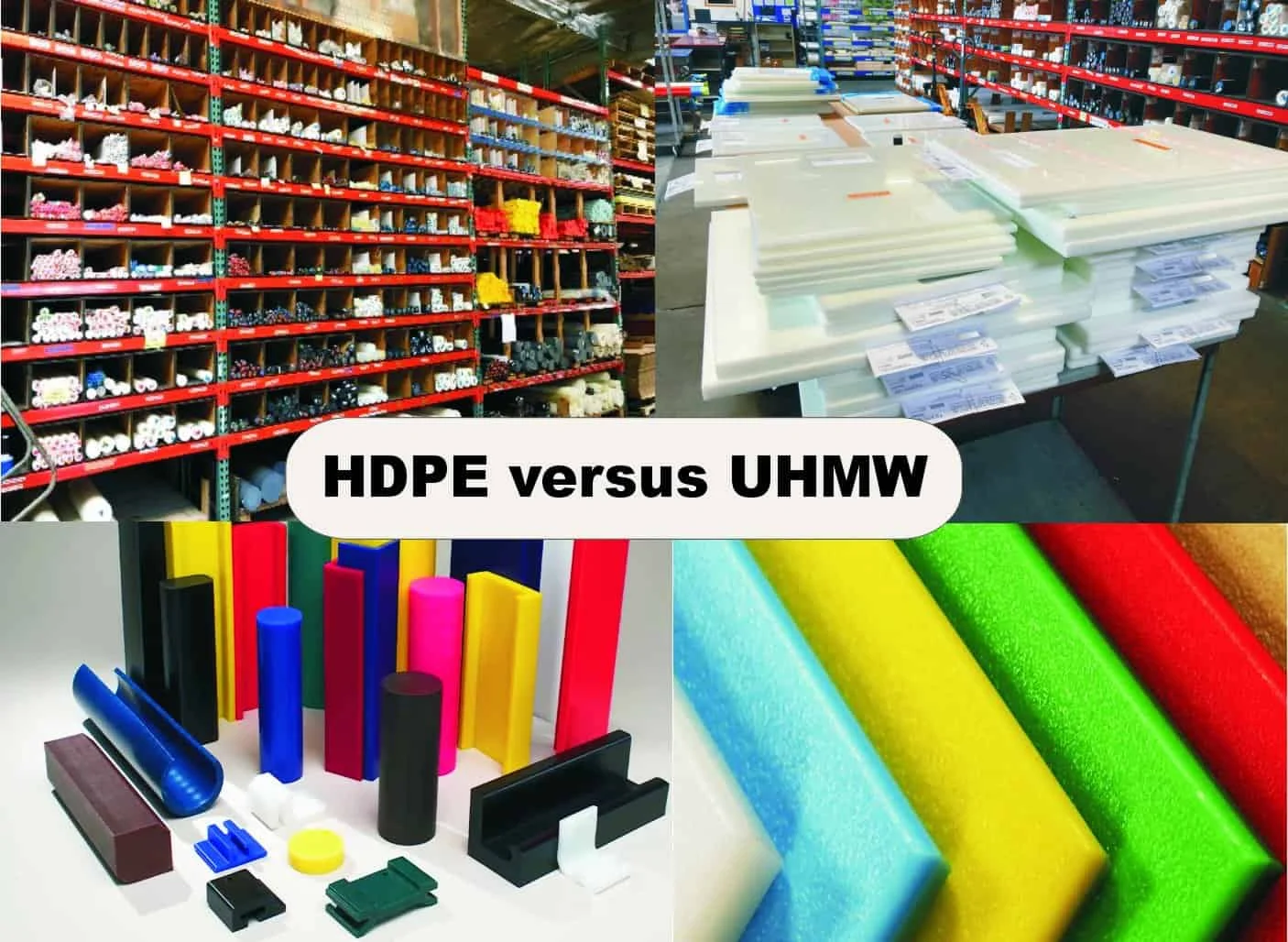
Types of Mechanical Plastics
There are several types of mechanical plastics, each with unique characteristics. Some of the most common types include:
- Polycarbonate (PC): Known for its impact resistance and transparency.
- Polyamide (Nylon): Offers excellent wear resistance and flexibility.
- Acrylonitrile Butadiene Styrene (ABS): Provides high strength and toughness.
Choosing the right type of mechanical plastic is crucial for ensuring optimal performance in specific applications. Factors like temperature resistance, chemical exposure, and mechanical load should all be considered when making a selection.
Applications of Mechanical Plastics
The applications of mechanical plastics are vast and varied. They are used in many industries, including automotive, electronics, and consumer products. For example, in the automotive industry, mechanical plastics are commonly used for parts like dashboards, bumpers, and interior components. Their lightweight nature helps improve fuel efficiency while maintaining structural integrity.
In electronics, mechanical plastics are essential for housing components and protecting sensitive equipment. They are also found in household items, such as kitchen appliances and toys. The versatility of mechanical plastics allows manufacturers to create innovative products that are both durable and appealing.
Advantages of Mechanical Plastics
One of the biggest advantages of mechanical plastics is their exceptional strength-to-weight ratio. This means they can provide the same strength as metal components while being much lighter. This is particularly advantageous in industries like aerospace and automotive, where reducing weight can lead to significant fuel savings. Additionally, these materials, often categorized as Performance Plastic, are resistant to corrosion and chemicals, which makes them suitable for harsh environments. They are also easier to mold into complex shapes compared to metals, allowing for greater design flexibility. This combination of properties gives manufacturers the tools to innovate and create high-performance products.
Challenges and Considerations
While mechanical plastics offer many benefits, there are also challenges to consider. One issue is their susceptibility to environmental factors, such as UV light, which can lead to degradation over time. It’s essential for manufacturers to choose the right additives to improve UV resistance.
Another consideration is the recycling and disposal of mechanical plastics. Unlike some materials, not all mechanical plastics are easily recyclable. Companies are working on developing more sustainable options and improving recycling processes to minimize environmental impact.
Future of Mechanical Plastics
The future of mechanical plastics looks promising, especially with ongoing advancements in material science. Innovations in bioplastics and sustainable materials are paving the way for more eco-friendly options. As industries continue to seek out lightweight and durable solutions, mechanical plastics will remain a vital component.
Moreover, the integration of smart technologies into mechanical plastics is on the rise. This could lead to the development of materials that can change properties based on environmental conditions, offering even greater functionality in various applications.
Conclusion
In summary, mechanical plastics are a versatile and valuable resource in many industries. Their unique properties, such as strength, lightweight, and resistance to chemicals, make them suitable for a wide range of applications. As technology continues to advance, the potential for mechanical plastics will only grow, leading to innovative solutions and sustainable practices in manufacturing.
Understanding the different types and applications of mechanical plastics is crucial for anyone involved in production or design. By staying informed about these materials, companies can leverage their benefits to create high-quality products that meet consumer needs.
Address
Industrial Plastic Supply, Inc.
2240 S. Dupont Drive
Anaheim, CA 92806
714-978-3520 / 866-832-9315
FAQs about Mechanical Plastic
- What is mechanical plastic? Mechanical plastic refers to a category of materials known for their strength and resilience, often used in industries requiring durability and reliability.
- What are the common types of mechanical plastics? Common types of mechanical plastics include Polycarbonate (PC), Polyamide (Nylon), and Acrylonitrile Butadiene Styrene (ABS).
- What industries utilize mechanical plastics? Mechanical plastics are used in various industries, including automotive, electronics, and consumer products.
- What are the advantages of using mechanical plastics? Advantages include an exceptional strength-to-weight ratio, corrosion resistance, and greater design flexibility compared to metals.
- Are mechanical plastics recyclable? Not all mechanical plastics are easily recyclable, and manufacturers are working on developing more sustainable options and improving recycling processes.
- What challenges are associated with mechanical plastics? Challenges include susceptibility to environmental factors like UV light and the complexity of recycling and disposal.
- What is the future of mechanical plastics? The future looks promising with advancements in bioplastics, smart technologies, and a focus on eco-friendly options in manufacturing.
Comments
Post a Comment